If you are thinking about installing a heat pump, one of the first questions you are likely to ask is this: do you need new radiators for an air source heat pump? The short answer is no, not always. Many homes can keep some or even all of their existing radiators. But in other homes, radiator upgrades are an important part of making the system work properly.
That is because an air source heat pump works differently from a gas boiler. Boilers usually send hotter water through the system. Heat pumps tend to run at lower flow temperatures, which means they need emitters, such as radiators or underfloor heating, that can give off enough heat at those lower temperatures. If the radiators are too small, some rooms may struggle to warm up properly.
For homeowners in Plymouth, this matters because every property is different. A well-insulated modern home may need very little change. An older property with smaller radiators, patchy insulation, or rooms that already feel chilly in winter may need a more careful system design. At Modern Home Heating Solutions, we help homeowners look at the whole picture so they can make the right call for comfort, running costs, and long-term performance.
Why radiator size matters with a heat pump
An air source heat pump can still heat your home through radiators. In fact, the Energy Saving Trust explains that air source heat pumps heat rooms through radiators or underfloor heating, just like many homeowners would expect. The key difference is the temperature of the water moving through the system.
With a traditional boiler, radiators often receive hotter water. With a heat pump, the water is usually cooler, often in the region of 35 to 45 degrees C in a well-designed system. The Energy Saving Trust heat pump installation guide notes that this lower temperature is one reason larger radiators are sometimes needed.
Why does that matter? Because the radiator has to release enough heat into the room. If the water is cooler, the radiator needs enough surface area to do the job.
In practical terms, that means:
- larger radiators can give out enough heat at lower temperatures
- smaller existing radiators may still work in some rooms
- poorly insulated rooms often need more heat output
- a proper room-by-room heat loss calculation matters more than guesswork
This is why the answer is rarely a simple yes or no.
When do you need new radiators for an air source heat pump?
You usually need new radiators for an air source heat pump when the existing ones are too small to heat the room effectively at lower flow temperatures. That is the main test.
A radiator upgrade is more likely if:
- your current radiators are quite small
- your home loses heat quickly
- certain rooms already feel cold
- your system was designed around a high-temperature boiler
- you want the heat pump to run as efficiently as possible
A radiator upgrade may not be necessary if:
- your existing radiators are already generously sized
- the home is well insulated
- a full heat loss calculation shows enough output room by room
- some rooms can use different emitter types, such as underfloor heating
Did You Know?
The Energy Saving Trust’s heat pump fact check says it is not mandatory to replace radiators for a heat pump, but bigger radiators can make the system more efficient and cheaper to run. That is an important distinction. The question is not just “Will it work?” but “Will it work well?”
Can heat pumps work with existing radiators?
Yes, they can. This is one of the biggest myths around heat pumps. Existing radiators do not automatically rule out an air source heat pump.
What matters is whether those radiators can deliver enough heat at the lower operating temperatures the system is designed for. Some homes already have radiators that are large enough. Others may only need changes in a few rooms, not a full-house replacement.
That means a good installer should not start with a blanket answer. They should assess:
- the size of each room
- insulation levels
- window area and drafts
- the type and size of current radiators
- the target indoor temperature
- the overall system design
This is where many homeowners save money and avoid unnecessary work. Replacing every radiator just because you are installing a heat pump may be excessive. On the other hand, keeping undersized radiators can leave you with a system that feels underpowered and costs more to run than it should.
What happens if the radiators are too small?
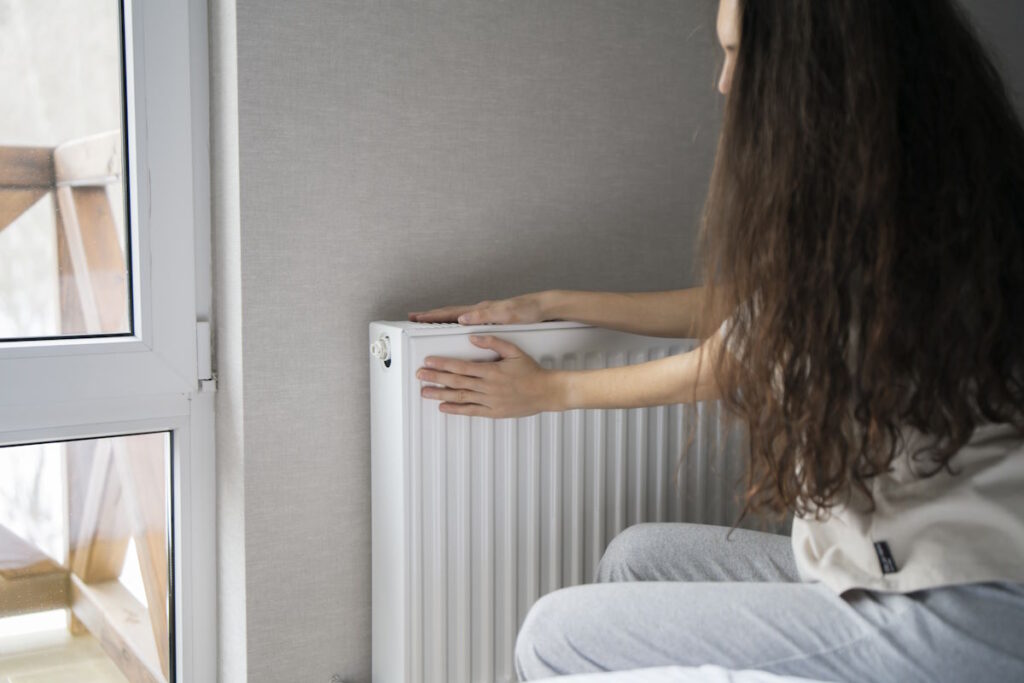
If the radiators are too small, your heat pump may still run, but the home may not heat up as comfortably or efficiently as it should. Some rooms may stay cooler than you want, especially during colder spells.
You might notice:
- slower warm-up times
- rooms never quite reaching the thermostat setting
- the system running for longer than expected
- reduced efficiency
- higher electricity use than necessary
This is because the heat pump has to work harder to make up for limited heat output in the rooms. One of the main benefits of a heat pump is efficient low-temperature heating. If the system has to be pushed harder because the emitters are not suitable, that benefit starts to shrink.
Are bigger radiators always the best answer?
Not always. Bigger radiators are a common solution, but they are not the only one.
A good design might include:
- keeping some existing radiators
- replacing only the smallest or worst-performing radiators
- using fan-assisted radiators in selected spaces
- combining radiators with underfloor heating in part of the home
- improving insulation so the heat demand falls
This matters because the best system is the one designed for the home, not the one copied from another property.
For example, a draughty older room with a small single-panel radiator may need an upgrade. A smaller, well-insulated bedroom might be fine with the radiator it already has. That is why room-by-room design is so important.
What about older homes in Plymouth?
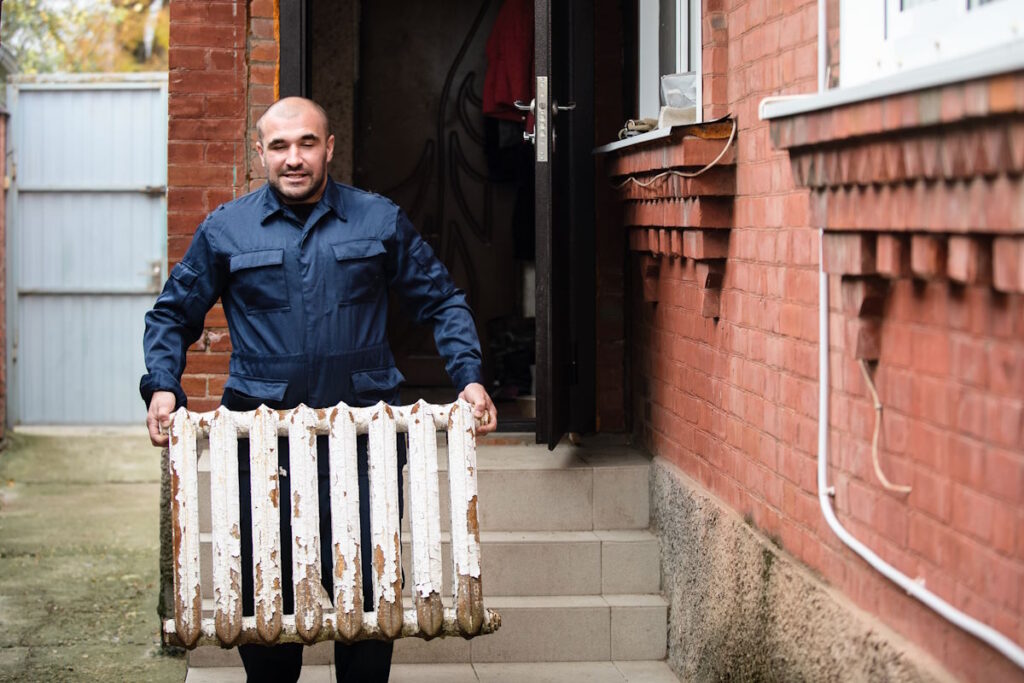
This is where local context really matters. Many Plymouth homes, and homes across Devon, vary widely in age, layout, insulation levels, and heating system history. Some have already had partial upgrades over the years. Others still have older radiators sized for a very different way of heating the house.
In older homes, you are more likely to find:
- small radiators in extensions or converted spaces
- uneven heating between rooms
- solid walls or harder-to-insulate areas
- a need for selective upgrades rather than a full replacement
That does not mean an air source heat pump is the wrong choice. It simply means the design stage matters more. A heat pump should be matched to the property, not forced into a one-size-fits-all template.
At Modern Home Heating Solutions, we help homeowners in Plymouth understand where targeted radiator upgrades make sense and where existing radiators may still perform well.
How do installers decide whether radiators need changing?
A proper installer should base this on a heat loss survey and radiator output calculations, not on a quick glance.
They should look at:
- how much heat each room loses
- what output each radiator can provide
- the planned flow temperature of the heat pump
- whether insulation improvements are planned
- whether some rooms need different emitter types
This is the heart of good heat pump design. A lower flow temperature usually means better efficiency, but only if the heat can still be delivered to the rooms effectively.

Signs a careful design process is happening
- each room is assessed separately
- the conversation includes insulation, not just hardware
- the installer explains why certain radiators stay or go
- the recommended changes are specific, not generic
- comfort and running cost are both discussed
If you are comparing quotes, this is one of the clearest signs of quality.
Is underfloor heating required instead of radiators?
No. Underfloor heating can work very well with heat pumps, but it is not required. Air source heat pumps can work successfully with radiators too.
Underfloor heating has a large surface area, which suits low-temperature heating very well. But for many existing homes, especially retrofit projects, replacing floors is not practical or necessary.
That is why many homeowners choose a mixed approach, such as:
- radiators throughout most of the home
- underfloor heating in a new extension
- upgraded radiators in colder rooms
- insulation improvements to reduce heat demand
The aim is not to chase a perfect textbook setup. The aim is to create a system that works well in the real home you have.
How insulation affects radiator decisions
Insulation and radiator sizing go hand in hand. The better your home holds onto heat, the less work the radiators need to do.
This can change the answer to whether you need new radiators for an air source heat pump. If loft insulation, draught-proofing, or other upgrades reduce heat loss, some existing radiators may become more viable.
That is why it helps to think in terms of the whole home, not just the heating appliance.
Useful improvements can include:
- loft insulation
- cavity wall insulation where suitable
- draught-proofing around doors and windows
- better glazing where needed
- pipe insulation in key areas
The Energy Saving Trust’s wider heat pump guidance makes the same broader point: heat pumps are suitable for most UK homes, but the overall property setup affects how well they perform.

What about cost and grants?
Radiator upgrades can add to the upfront cost of a heat pump project, so it is sensible to factor that in from the start. However, not every home needs a full radiator replacement, and many only need targeted changes.
If you live in England, you may also want to look at the Boiler Upgrade Scheme, which offers support toward the cost of eligible heat pump installations. The details can change, so it is always worth checking the latest guidance directly.
A clear quote should separate:
- the heat pump installation cost
- any radiator replacements
- cylinder or controls upgrades
- any recommended insulation or system improvements
That way, you can see what is essential and what is optional.
How Modern Home Heating Solutions can help
Choosing a heat pump is not just about the outdoor unit. It is about whether the whole heating system is designed to work together.
At Modern Home Heating Solutions, we help Plymouth homeowners understand:
- whether their current radiators are likely to be suitable
- which rooms may need upgrades
- how insulation affects the design
- what setup is likely to deliver the best balance of comfort and efficiency
If you are weighing up a heat pump and want practical advice rather than guesswork, the best next step is to contact us here.
FAQ: New radiators for an air source heat pump
Do I always need bigger radiators with a heat pump?
No. Some existing radiators are already large enough. The only way to know properly is through room-by-room heat loss and output calculations.
Can an air source heat pump work with old radiators?
Yes, it can. Older radiators are not automatically a problem. They just need to provide enough heat at the lower flow temperatures the system is designed to use.
Why do heat pumps sometimes need larger radiators?
Heat pumps usually run at lower water temperatures than boilers. Larger radiators have more surface area, so they can release enough heat into the room even when the water is cooler.
Is underfloor heating better than radiators for a heat pump?
Underfloor heating works very well with heat pumps, but it is not the only good option. Many homes use radiators successfully, and some use a combination of both.
Will better insulation reduce the need for radiator upgrades?
Often, yes. If the home loses less heat, the existing radiators may be more likely to cope. That is why insulation should always be part of the conversation.
Should all the radiators in the house be replaced at once?
Not necessarily. Some homes only need upgrades in selected rooms. A proper design should show exactly where changes are needed and where current radiators can stay.
Conclusion
Do you need new radiators for an air source heat pump? Not in every case. Many homes can keep some or all of their existing radiators, but others benefit from larger or better-placed emitters to make low-temperature heating work properly. The right answer depends on radiator size, insulation, room heat loss, and the quality of the system design.
For Plymouth homeowners, the smartest approach is not to assume the worst or the cheapest. It is to get a proper assessment of the whole home. When the system is designed well, an air source heat pump can heat your property effectively without unnecessary upgrades. When upgrades are needed, they should be targeted and clearly explained.
Want to improve your heating efficiency in the Plymouth, Devon area? Ask our local heating engineers about practical upgrades.