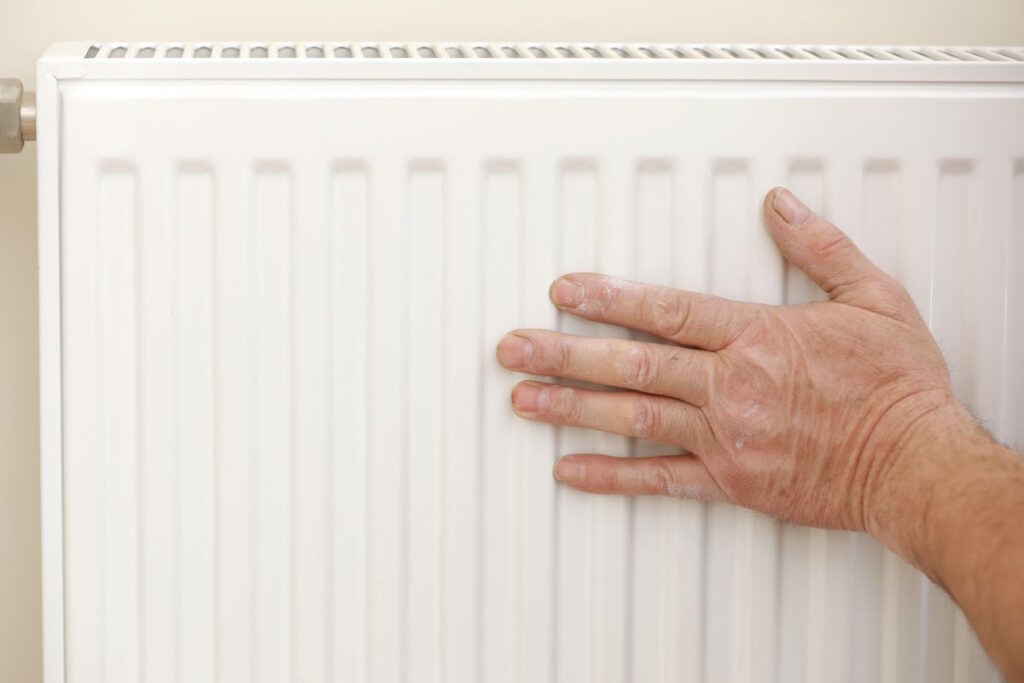
If you are considering a boiler losing pressure repair, the key question is whether the pressure dropped once or keeps falling after being restored. A small change can follow radiator bleeding or normal temperature changes, but repeated pressure loss usually means the system needs investigation.
Low pressure can stop some sealed heating systems from working correctly. Adding water may restore operation temporarily, but it does not resolve the cause.
This guide explains common causes and when pressure loss requires repair rather than routine maintenance.
What does boiler pressure mean?
In a sealed central-heating system, boiler pressure refers to the pressure of the water circulating through the boiler, radiators and connected pipework. The boiler displays this through a gauge or digital reading.
There is no single correct reading for every boiler and every operating condition. Pressure normally changes as the system heats and cools, and the acceptable range depends on the appliance. Check the user manual or manufacturer’s instructions for the correct cold and operating pressure for your model.
A reading outside that range may trigger a fault code or stop the boiler operating. The reading alone does not reveal the cause.
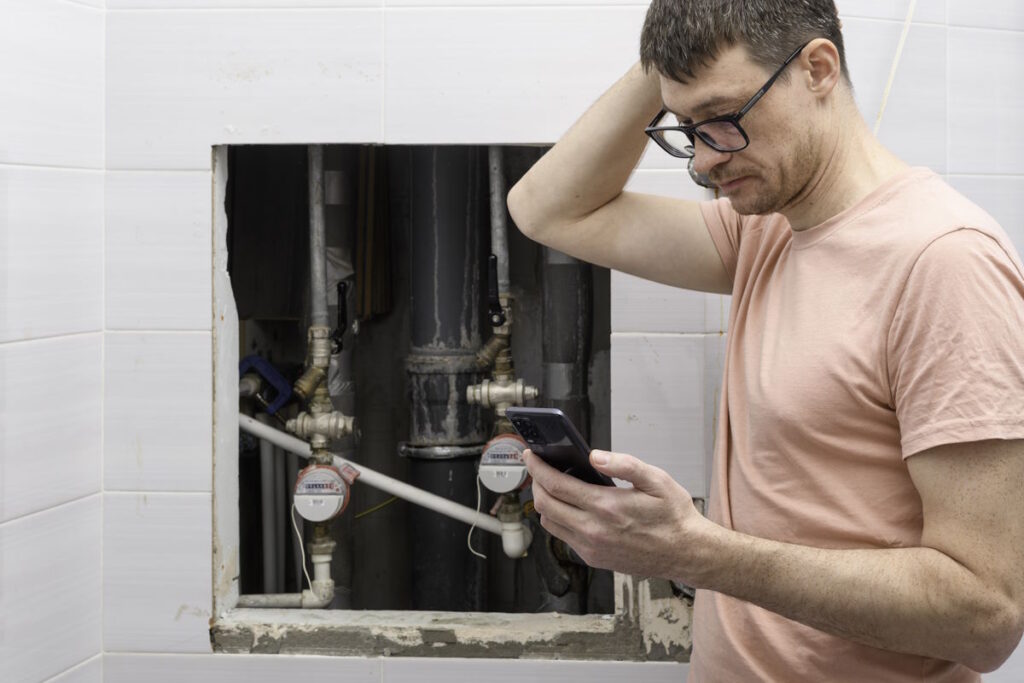
When does boiler losing pressure repair become necessary?
A one-off reduction may follow radiator bleeding. If the boiler then remains within its stated range, monitor it without repeatedly adjusting controls or adding water unnecessarily.
Professional investigation becomes sensible when:
- The pressure falls again soon after it has been restored.
- You regularly need to repressurise the system.
- The boiler shows recurring low-pressure fault codes.
- Heating or hot water stops when the pressure drops.
- Water is visible beneath the boiler, radiators or pipe joints.
- The reading rises sharply during heating and falls again when cool.
- An external discharge pipe is dripping or wet.
These signs suggest that a boiler losing pressure repair may be needed. Diagnosis should confirm whether the fault is inside the boiler or elsewhere in the system.
Do not remove the boiler casing or attempt to inspect internal components. Work on a gas boiler must be left to a Gas Safe registered engineer who is qualified for that type of appliance.

What can cause boiler losing pressure repair needs?
Pressure can escape for several reasons. Some faults are visible around the heating system, while others are hidden beneath floors, inside walls or within the boiler.
A leak from a radiator or valve
Small leaks can develop around radiator valves, bleed points and pipe connections. Staining, corrosion, damp flooring or flaking paint may provide clues even without a puddle.
Check only what is safely visible. Do not tighten fittings or disturb corroded pipework unless you have the correct skills. A small movement can make a weakened joint leak more heavily.
A hidden heating-system leak
Pipework beneath floors or inside walls may lose water without an obvious drip. Damp patches, ceiling marks or unexplained staining can be warning signs.
A pressure drop does not prove there is a concealed leak. The boiler, visible system and pressure behaviour should be assessed first.
Water escaping through the pressure relief valve
The pressure relief valve is a safety component that can discharge water if system pressure becomes too high. Worcester Bosch guidance advises checking the external termination of the discharge pipe for signs of dripping when a heating system continually loses pressure.
A wet discharge pipe can indicate a valve problem or excessive system pressure. Do not block, cap or alter it.
An expansion-vessel problem
The expansion vessel accommodates changes as system water heats. If it is faulty, pressure may rise excessively and water may discharge through the safety valve, leaving low pressure after cooling.
Expansion-vessel testing involves boiler components and belongs with a competent heating engineer. The pressure pattern may suggest this fault but cannot confirm it.
An internal boiler leak or faulty component
Water can escape from a component inside the boiler, although the leak may not be immediately visible. Vaillant’s guidance on boilers losing pressure advises using a Gas Safe registered engineer when an internal leak is suspected and warns homeowners not to remove the casing.
In the middle of a boiler losing pressure repair assessment, the engineer may need to determine whether the cause lies in the appliance, its safety components or the wider heating circuit. That distinction helps avoid replacing the wrong part.

Can I safely check anything myself?
You can read the pressure gauge, note fault codes and look for visible water without dismantling equipment. Check around accessible radiators, valves and exposed pipework for dampness, staining or corrosion. You can also observe whether pressure changes when the system is cold compared with when it is heating.
Useful details to record include:
- The pressure reading when the boiler is cold.
- The highest reading you observe during normal heating.
- How quickly the pressure falls.
- Any fault code shown on the display.
- The position of visible drips or damp marks.
- Whether radiators were recently bled or other work was completed.
Photographs of the gauge, fault code or leak can help when you contact an engineer. Never open the boiler casing or interfere with gas components.
Some boiler manuals give owners a procedure for restoring system pressure through the filling arrangement. Only follow the instructions written for your exact model if you understand them and there are no signs of leakage or an unsafe appliance.
If you are uncertain, or the pressure keeps falling, stop and request professional help. Repressurising repeatedly can hide the pattern without fixing the fault.
What does a boiler losing pressure repair involve?
The work depends on what testing reveals. An engineer may inspect visible joints and radiators, compare cold and hot pressure behaviour, check for discharge from the relief pipe and assess relevant boiler components.
Possible repair work could involve:
- Repairing or replacing a leaking radiator valve or pipe fitting.
- Addressing a leak in accessible heating pipework.
- Repairing an internal boiler leak.
- Testing and correcting an expansion-vessel problem.
- Replacing a faulty pressure relief valve after identifying why it discharged.
- Investigating concealed pipework where the evidence points to a hidden leak.
Not every low-pressure boiler needs extensive work. Ask what was found, whether the boiler can be used safely and what the quotation includes.
A boiler service is not automatically a substitute for repair. Routine servicing checks and maintains the appliance, while a recurring pressure fault requires diagnosis. Tell MHH Solutions about the pressure problem when booking so the visit can be treated appropriately.
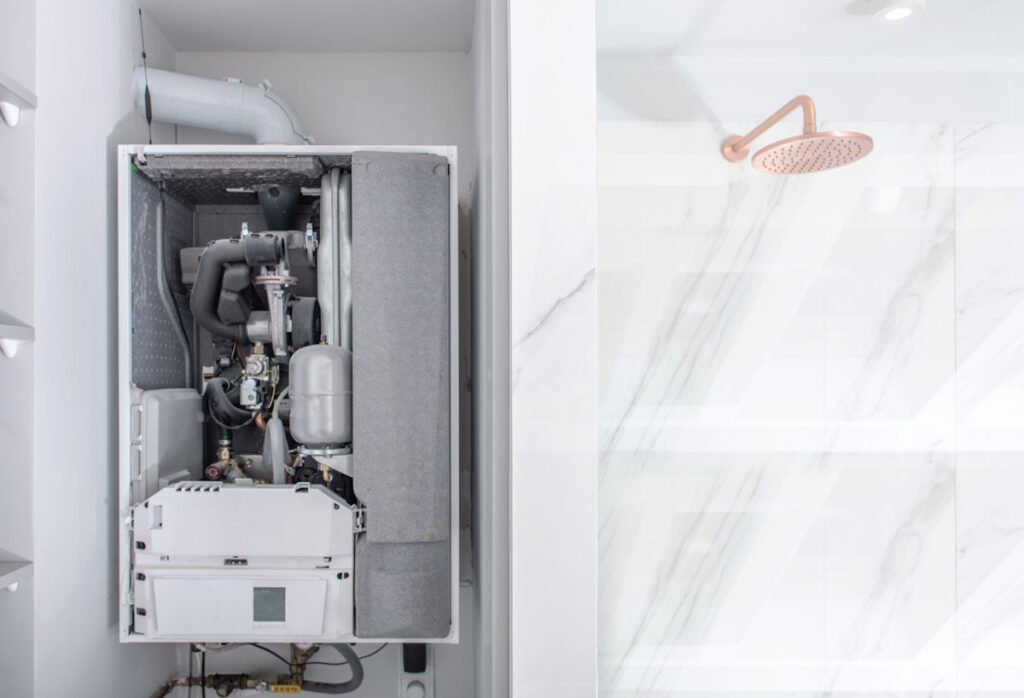
When is low boiler pressure urgent?
Low pressure often causes loss of heating rather than an immediate gas emergency, but the surrounding signs matter. Switch off the appliance and seek qualified advice if water is leaking into electrical components, the boiler appears damaged or you suspect it is unsafe.
If you smell gas or suspect a gas leak, call the National Gas Emergency Service on 0800 111 999 and follow its emergency instructions. If a carbon monoxide alarm sounds or someone develops possible carbon monoxide symptoms, move into fresh air and follow current emergency medical guidance.
The Health and Safety Executive’s advice for homeowners states that a gas appliance suspected of being unsafe should be turned off and not used until checked by a Gas Safe registered engineer. It also advises regular maintenance and servicing at least annually.
Did You Know? A Gas Safe registration does not cover every category of gas work automatically. The back of the engineer’s ID card shows the work they are qualified to perform, and registration can be checked through the Gas Safe Register.
How to prepare for a boiler repair visit
Before the appointment, keep the boiler and affected radiators accessible. Find the appliance manual, warranty details and recent service records if available. Do not clean away all evidence of a leak before taking a photograph and noting its location.
Tell the company:
- How often the pressure drops.
- Whether the fall happens while heating or after the system cools.
- Whether you have recently restored the pressure.
- Which fault codes have appeared.
- Whether there is visible water or staining.
- Whether any radiator, boiler or pipework work was recently completed.
This information can make the first assessment more focused, although the repair cannot be confirmed until the system has been examined. MHH Solutions provides boiler repairs and heating-system fault investigation for local customers.
Plymouth homeowners can use the verified Modern Heat Home Solutions contact page to discuss the fault.

FAQ
Why does my boiler pressure keep dropping?
Repeated pressure loss can be caused by water escaping from a radiator, valve, pipe, pressure relief discharge or internal boiler component. An expansion-vessel fault may also cause pressure to rise and discharge before falling. Proper testing is needed to confirm the cause.
Is it normal to repressurise a boiler regularly?
No. A one-off adjustment may be needed after a radiator has been bled, but repeated repressurising suggests an unresolved problem. Record how quickly the pressure drops and arrange an assessment rather than continuing to refill the system.
Can a boiler lose pressure without a visible leak?
Yes. The leak may be very small, hidden in pipework or inside the boiler. Water may also leave through an external discharge pipe. A qualified engineer can compare the evidence and test the relevant parts of the system.
How much does boiler pressure repair cost?
The cost depends on the cause, accessibility, parts and labour required. A leaking radiator valve and an internal boiler component are different repairs, so an exact price should follow diagnosis rather than be guessed from the pressure reading alone.
Who should complete a boiler losing pressure repair?
Use a suitably qualified heating engineer. If diagnosis or repair involves a gas boiler or its internal components, the engineer must be Gas Safe registered and qualified for the relevant work. Check the engineer’s ID card and official registration.
Arrange an assessment before pressure loss becomes a breakdown
A single small pressure change may have a straightforward explanation. A pressure reading that repeatedly falls, rises sharply during heating or accompanies a leak or fault code deserves proper investigation. Continuing to add water may restore the boiler briefly, but it will not correct a leaking or faulty component.
For a boiler losing pressure repair in a Plymouth home, contact MHH Solutions with the boiler model, pressure pattern and any visible warning signs. The team can assess the problem and explain the appropriate repair based on what the system is doing.
Discuss your boiler-pressure problem with Modern Heat Home Solutions: contact MHH Solutions.